

Introduction
Boseong is the heart of Korean green tea culture—a region where carefully trimmed emerald tea fields roll across misty hills and where centuries-old cultivation techniques continue to define Korean tea identity. Known for its balanced, clean, and ocean-kissed flavor profile, Boseong green tea is recognized both domestically and globally for its exceptional quality.
This guide explores why Boseong is considered Korea’s premier tea-producing region, how its historical and environmental factors shape its tea, and what makes its flavors truly stand out.
1. The Historical Roots of Boseong Tea
Korea’s tea culture stretches back over a thousand years, yet Boseong’s rise to prominence began in the early 20th century. During the 1930s, large-scale tea cultivation took root in Boseong thanks to its ideal climate and topography. After the Korean War, local farmers revived the industry with renewed passion, reconstructing terraced tea fields on sloped, sun-kissed hills.
Today, Boseong holds one of the largest and most historically rich tea plantations in the country. The region is often considered the “birthplace of modern Korean tea culture,” and many Korean tea-making standards were established here.
2. Terroir: Why Boseong’s Environment Creates Exceptional Tea
Boseong’s tea fields are not special by accident—nature designed them to be perfect for tea.
(1) Ocean Breeze & Humidity Balance
Located near the southern coast, Boseong benefits from steady ocean winds that prevent frost and maintain balanced humidity levels. This helps tea leaves develop tender textures and refined flavors.
(2) Fertile, Well-Drained Soil
The area's acidic soil is ideal for Camellia sinensis. Combined with terraced farming, the soil provides excellent drainage, preventing bitterness and enhancing sweetness.
(3) Misty Mornings & Temperature Shifts
Morning mists protect the leaves from harsh sunlight, while day–night temperature variations concentrate amino acids, contributing to umami depth.
(4) Elevated Sloped Terrains
Terrace-style farms maximize sunlight exposure and reduce excess moisture—both key to producing premium-quality tea.
3. Flavor Profile: What Makes Boseong Green Tea Unique?
Boseong green tea is known for its refined and distinctly Korean taste profile.
Key Characteristics
- Clean and gentle umami from high amino acid content
- Lightly roasted aroma characteristic of Korean green tea steaming/roasting balance
- Soft, smooth mouthfeel due to slow coastal maturation
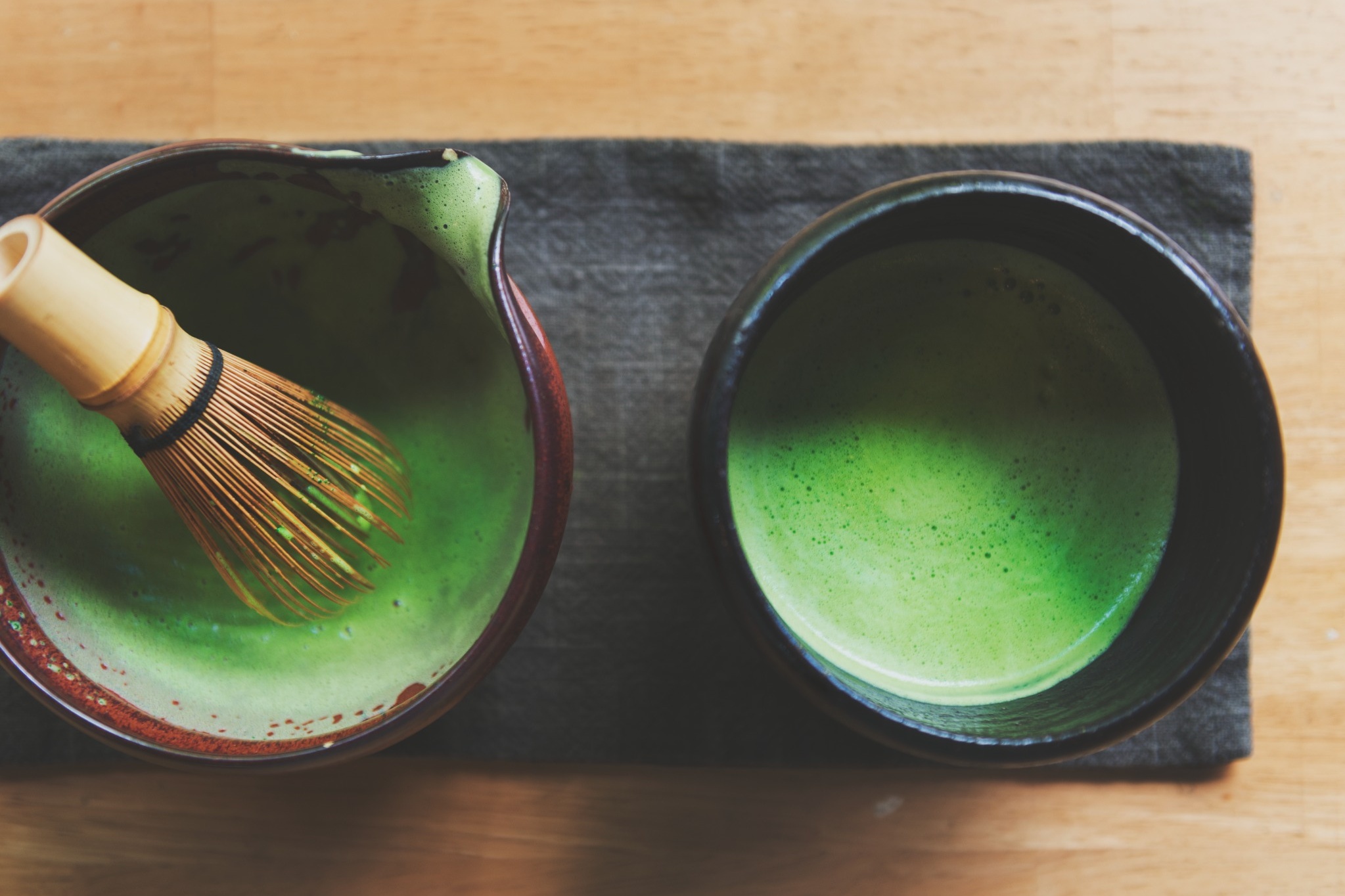
- Bright green liquor with exceptional clarity
- Nutty, grassy, slightly marine notes shaped by coastal winds
Compared to Japanese matcha or sencha, Boseong green tea carries a milder, softer profile, often described as “elegant” or “balanced” rather than intensely grassy.
4. Cultural Significance & Global Recognition
Boseong’s importance extends beyond agriculture. It is a cultural icon.
(1) Korea’s Largest Tea Plantation Region
Boseong accounts for a major portion of Korea’s total green tea output.
(2) Host of the Boseong Green Tea Festival
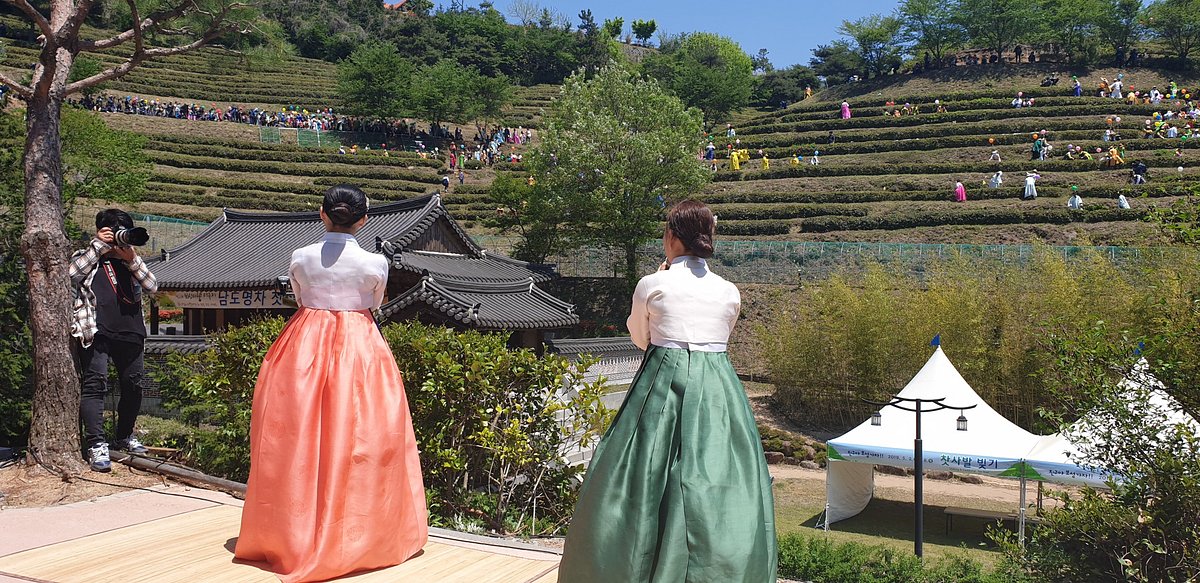
Celebrated annually, it attracts tea lovers, experts, and tourists from around the world.
(3) Global Media Exposure
Its scenic tea fields have appeared in major dramas, movies, documentaries, and travel programs—further solidifying its global reputation.
(4) Premium Certification
Tea from Boseong is officially recognized as a regional specialty (“Boseong Green Tea”) under Korean geographical indication systems.
5. Why Boseong Green Tea Matters in Today’s Market
In the era of specialty beverages and premium ingredients, Boseong green tea has found renewed importance.
(1) Rising Demand for Korean-Origin Ingredients
As Korean cuisine and culture spread globally, so does interest in Korean teas.
(2) Clean, Transparent Production Standards
Many Boseong farms use sustainable and eco-friendly cultivation methods, appealing to the modern consumer.
(3) Unique Flavor Fit for Cafés & Modern Applications
Its gentle flavor profile works beautifully in diverse applications:
- café drinks (green tea lattes, cold brews)
- bakery products
- confectionery
- health-focused beverages
This versatility makes Boseong tea attractive for global B2B buyers and innovators across the F&B industry.
Conclusion
Boseong isn’t just a place where tea grows—it is a symbol of Korean craftsmanship, heritage, and terroir. With its ideal climate, rich history, and elegant flavor profile, Boseong green tea continues to be one of the most respected and sought-after teas in Korea and beyond.
For anyone exploring the depth of Korean tea culture or sourcing premium green tea, Boseong stands as an essential region to understand—and taste.
.jpeg)