
.jpeg)
Introduction
Krave was founded with one mission:
Bring the best of Korean matcha to New Zealand and Australia—clean, traceable, and consistently premium.
To achieve this, we rely on Korea’s rich tea-growing heritage and the deep industry expertise of Dasan F.M., a long-standing Korean ingredient specialist.
While Krave focuses on global distribution and market needs, Dasan evaluates and verifies the actual matcha sources in Korea—ensuring each product meets strict standards of flavour, safety, and authenticity.
Together, we select matcha that truly represents Korea’s terroir, craftsmanship, and clean-label values.
1. How Krave & Dasan Work Together
1.1. Complementary Roles
- Dasan:
- Based in Korea
- Works directly with tea farms and OEM factories
- Evaluates manufacturing capabilities, certifications, and QC systems
- Confirms organic compliance where required
- Krave:
- Based in New Zealand
- Focuses on global distribution, B2B supply, and market fit
- Ensures product performance for cafés and foodservice applications
This partnership ensures both technical verification in Korea and market-ready quality for NZ & AU.
1.2. Unified Assessment Framework
Krave and Dasan jointly assess OEMs across:
- Manufacturing expertise
- Food safety systems
- Organic certification eligibility
- Ingredient sourcing integrity
- Batch consistency
- Export readiness
This ensures every OEM partner meets both Korean industry standards and global expectations.
2. What Makes an OEM Partner Eligible
2.1. Specialization Over Generalization
OEM factories must specialize in:
- Matcha & tencha production
- Controlled steaming & drying
- Stone-mill or high-end micronization
- Powdered ingredient lines for beverage/bakery
For organic matcha, OEMs must also maintain:
- Certified organic raw-material procurement
- Segregated production lines to prevent cross-contamination
2.2. Strong R&D + QC Capabilities
Eligible factories must operate:
- In-house QC labs
- Colorimetry systems
- Amino-acid analysis
- Moisture and aroma profiling
- Microbial and heavy-metal testing
For organic lines, facilities must:
- Follow organic processing guidelines
- Maintain compliant sanitation and storage practices
3. Certification, Food Safety & Organic Compliance
3.1. Required Certifications
All Krave OEM partners must hold:
- HACCP
- ISO 22000 / FSSC 22000
- Korean export compliance
For organic product lines, OEMs must also meet one or more of the following:
- Korean Organic Certification (국가 인증 유기농)
- USDA Organic
- EU Organic Certification
Dasan verifies each certification and ensures factories maintain ongoing compliance.
3.2. Full Documentation Transparency
Every batch—conventional or organic—must include:
- COA
- Microbial testing
- Moisture reports
- Heavy-metal analysis
- Particle size data
- Colour index
- Organic certificate (if applicable)
- Lot-level traceability records
Krave uses these documents to maintain consistency and importer compliance.
4. Ingredient Sourcing & Traceability: Including Organic Farms
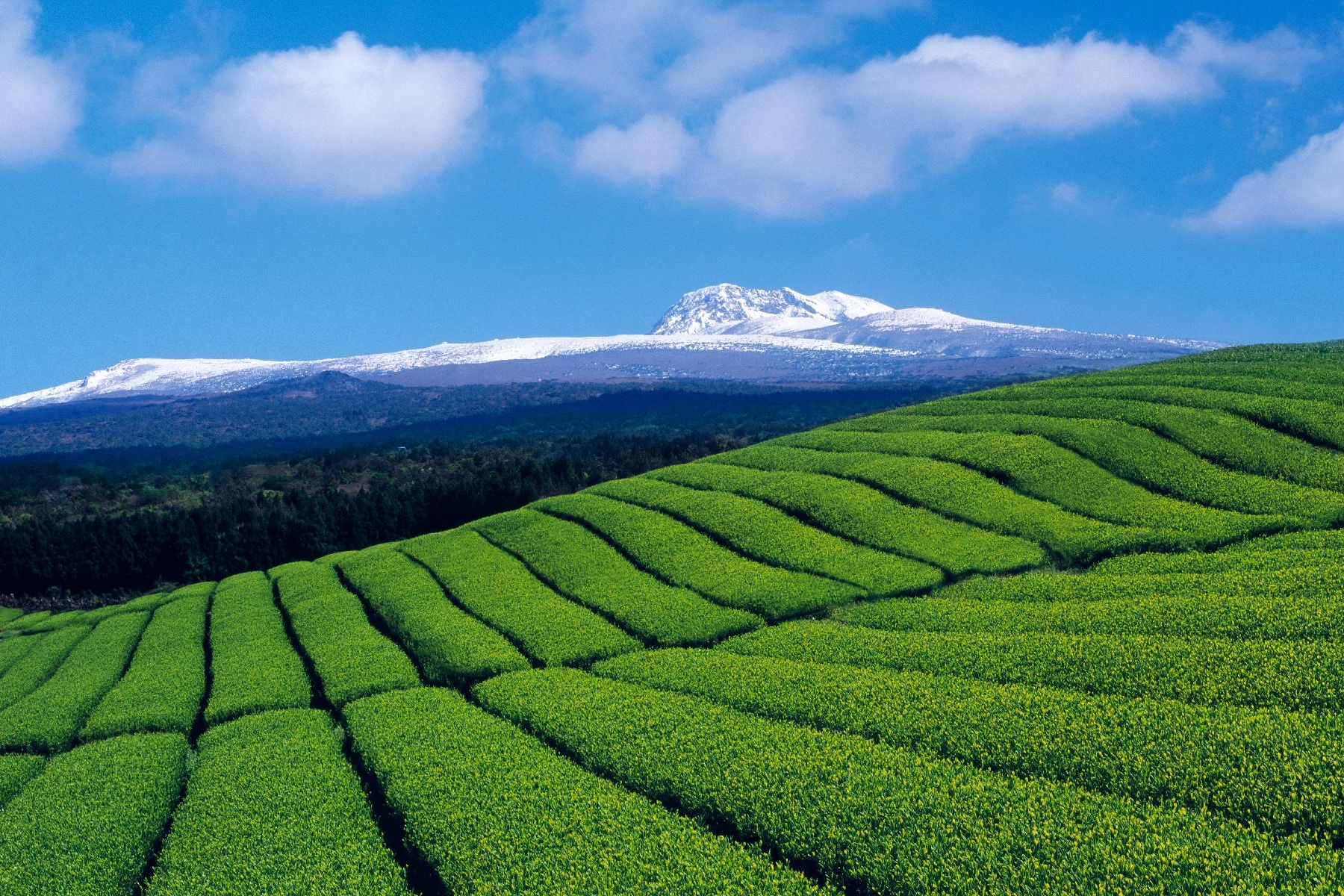
4.1. Verified Tea Regions
Krave partners with OEMs who source from:
- Jeju Island
- Boseong
- Hadong
Several farms within these regions maintain organic-certified fields, including:
- Soil free from prohibited substances
- Pesticide-free management
- Controlled shading practices
- Environmentally sustainable farming
4.2. End-to-End Traceability
Thanks to Dasan’s domestic oversight, Krave maintains:
- Lot-level tea leaf traceability
- Region and farm data
- Organic certification documents (per batch)
- Processing and milling trace logs
- Export-to-import consistency checks
This ensures NZ & AU cafés can rely on true origin transparency, especially for organic offerings.
5. Production Integrity & Batch Consistency
5.1. Controlled Processing, Separate Lines for Organics
OEM partners ensure:
- Immediate steaming
- Low-temperature drying
- Tencha destemming
- Stone milling or jet milling
- Nitrogen sealing
For organic matcha, factories must maintain:
- Clearly separated organic-only milling lines
- Organic-only storage areas
- Strict sanitation controls
5.2. Batch Stability Across Seasons
Krave selects OEMs capable of:
- Colour equalization
- Sensory profiling
- Organic leaf–to–finished powder consistency
- Scalable seasonal supply
Whether conventional or organic, cafés receive stable, predictable product quality.
Krave’s Perspective
Our promise is simple: Quality that is verifiable from Korea to New Zealand & Australia.
✓ Korean Expertise, Verified by Dasan
Dasan ensures OEMs—conventional and organic—meet strict Korean and international quality standards.
✓ Transparency & Clean Processes
Organic certification is never assumed; it is documented at every stage.
✓ Designed for Cafés
Krave selects manufacturers whose products perform best in café beverages, bakery recipes, and RTD applications.
✓ Long-Term Supply Stability
Through deep OEM partnerships and organic-certified options, Krave maintains a scalable, future-ready supply chain.
Conclusion
Krave’s OEM partner selection process is strengthened by Dasan’s technical expertise, proven factory network, and deep experience in the Korean ingredient industry.
Together, we identify manufacturers capable of producing premium conventional and organic matcha with full traceability and consistency.
This collaborative model ensures that every Krave product—whether served in a latte, a pastry, or a signature seasonal drink—represents the best of Korea’s craftsmanship, clean-label values, and global-ready manufacturing.
From Jeju’s organic farms to the cafés of New Zealand and Australia, quality is intentional at every step.