
Introduction
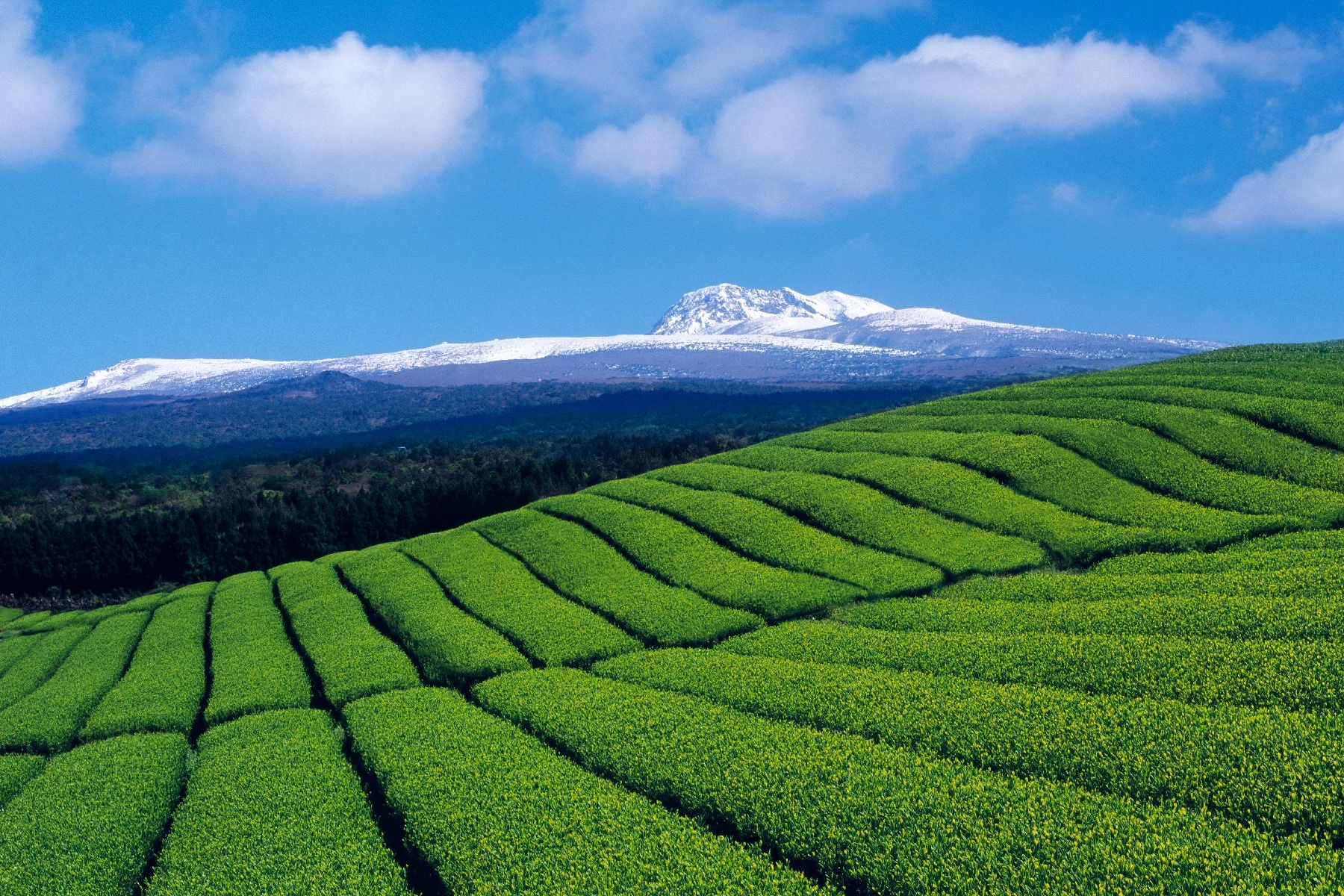
Jeju Island is one of Korea’s most beloved regions—famous for its volcanic landscapes, ocean winds, and pristine natural environment. Over the past decades, Jeju has also emerged as one of Korea’s leading tea-growing regions. Its unique volcanic soil, gentle climate, and clean air create ideal conditions for producing premium green tea with exceptional purity.
This guide explores the history, terroir, and flavor characteristics that make Jeju green tea special, along with why global tea experts increasingly look toward Jeju as a rising origin.
1. A Modern Yet Rapidly Rising Tea Region
Unlike Boseong, Jeju’s tea cultivation developed relatively recently. Large-scale tea planting began in the 1970s and accelerated through the 2000s when modern tea farms, including Seogwang and Osulloc, expanded operations using science-based agricultural systems.
Why Jeju’s development matters
- Rapid adoption of modern farming technologies
- Strong emphasis on sustainability and controlled cultivation
- Extensive quality management backed by research and R&D
- Export-oriented approach from early on
What Jeju lacks in ancient tea history, it makes up for with innovation and high consistency.
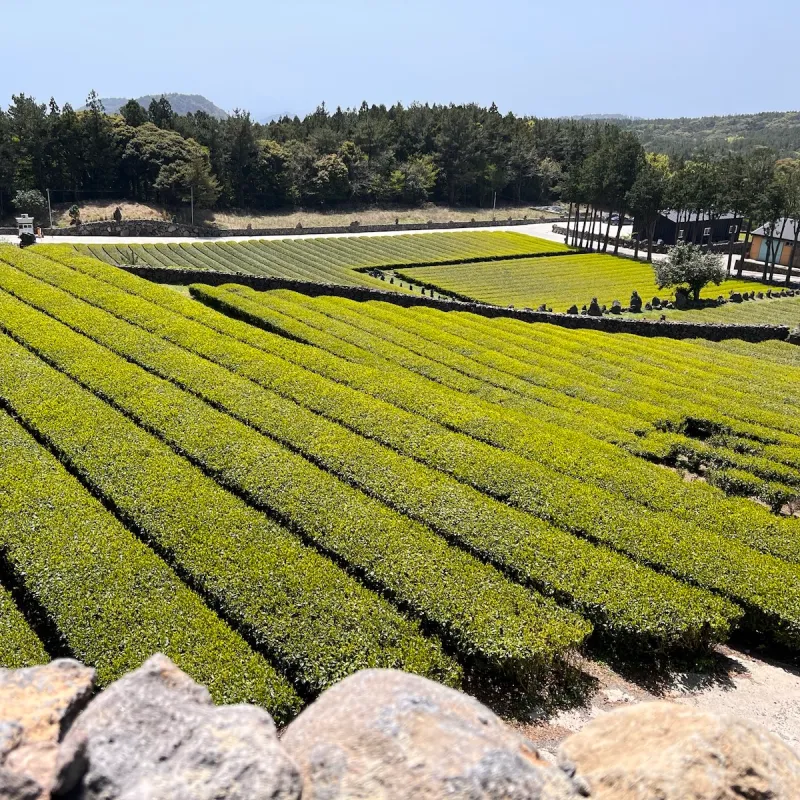
2. Volcanic Terroir: Nature’s Perfect Formula for Tea
Jeju’s environment is unlike any other tea-producing region in Korea—and that uniqueness translates directly into flavor and quality.
(1) Volcanic Basalt Soil
The island is built on volcanic rock. Its porous basalt soil:
- provides excellent drainage
- enhances minerality
- prevents bitterness by avoiding water stagnation
- contributes to a clean, crisp taste
(2) Abundant Sunshine & Mild Winters
Jeju receives more sunshine than most parts of Korea, giving tea leaves vibrant color and healthy growth. Winters are mild due to the surrounding ocean, minimizing frost damage.
(3) Clean Wind and Sea Influence
Sea breezes carry subtle mineral-rich air that helps tea leaves develop complexity while reducing pests naturally.
(4) High Altitude & Gentle Slopes
Many Jeju tea fields lie at mid-altitude levels, providing natural shade and stable temperatures ideal for premium-grade tea cultivation.
3. The Distinct Flavor of Jeju Green Tea
Thanks to its volcanic terroir, Jeju green tea offers a flavor profile that is clean, refreshing, and aromatic.
Typical Characteristics
- Bright, refreshing clarity with minimal astringency
- Light floral and marine notes influenced by Jeju’s oceanic climate
- Clean umami due to balanced sunlight exposure
- Smooth texture created by consistent leaf growth
- High aroma compared to mainland teas
Where Boseong tea is smooth and nutty, Jeju tea often presents a more fresh, bright, and crisp character.
4. Sustainability, Innovation, and Modern Processing
Jeju’s tea industry is built on modern standards and scientific control.
(1) Sustainable Cultivation
Many farms minimize pesticides, use natural soil enhancements, and operate environmentally conscious facilities.
(2) Controlled Processing Systems
Advanced steaming, rolling, and roasting machines result in consistent quality year-round.
(3) Traceability and Safety Standards
Large-scale farms maintain strict hygiene, traceability, and R&D practices that appeal to global buyers.
(4) Integration with Tourism
Jeju’s tea culture is promoted through museums, tea houses, and tea-based tourism experiences, boosting global awareness.
5. Why Jeju Green Tea Is Gaining Global Attention
As the world shifts toward sustainability and premium tea ingredients, Jeju’s reputation grows stronger each year.
(1) Pure, Clean-Origin Appeal
Consumers and brands increasingly value ingredients from pristine environments—and Jeju aligns perfectly with that demand.
(2) Consistent Quality for Modern Applications
Jeju green tea works well in:
- lattes
- desserts
- premium blends
- bottled teas
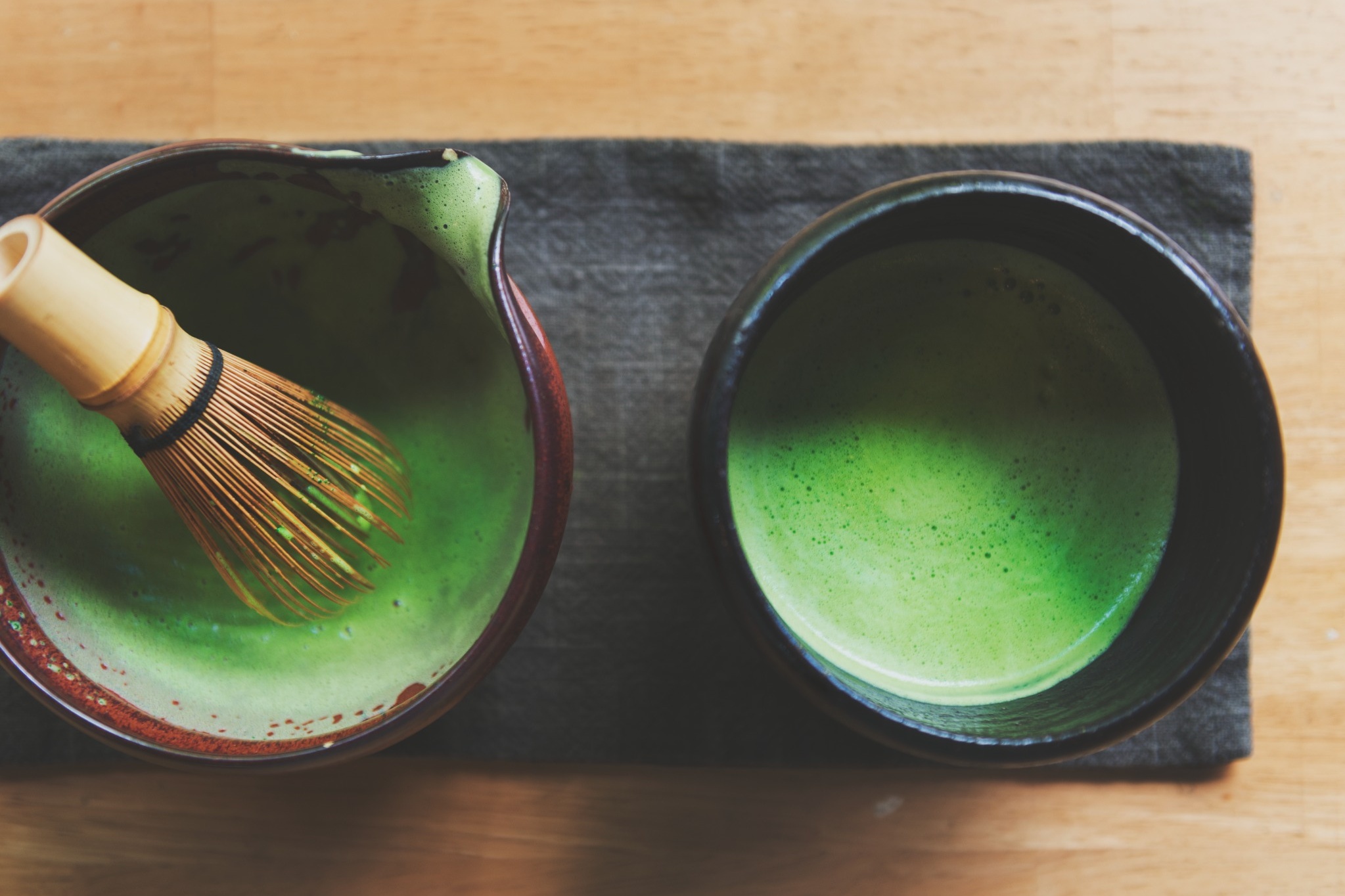
- matcha and powdered applications
Its clarity and balanced flavor integrate seamlessly into contemporary F&B products.
(3) Strong Branding & Storytelling
Jeju offers a compelling origin story: volcanic island, clear air, pure water, and modern cultivation. This resonates strongly with global audiences.
Conclusion
Jeju green tea represents a new chapter in Korea’s tea culture—one defined by purity, innovation, and natural beauty. Its volcanic soil, mild climate, and modern production systems make Jeju one of the most promising tea regions in Asia. As global interest in Korean tea continues to grow, Jeju stands at the forefront, offering a uniquely clean and refreshing tea experience that captures the essence of the island itself.
.jpeg)