
Introduction
Matcha has long been dominated by Japan in the global market, but a new wave is reshaping the category—and Korea is at the center of it. Korean matcha, made from high-quality green tea grown in regions like Jeju and Boseong, is rapidly gaining recognition among cafés, bakeries, and premium beverage brands around the world.
This rise isn’t accidental. It reflects a convergence of craftsmanship, modern production systems, unique terroir, and a shift in consumer interest toward clean, traceable, and innovative tea origins. Here is why Korean matcha is becoming a global favorite.
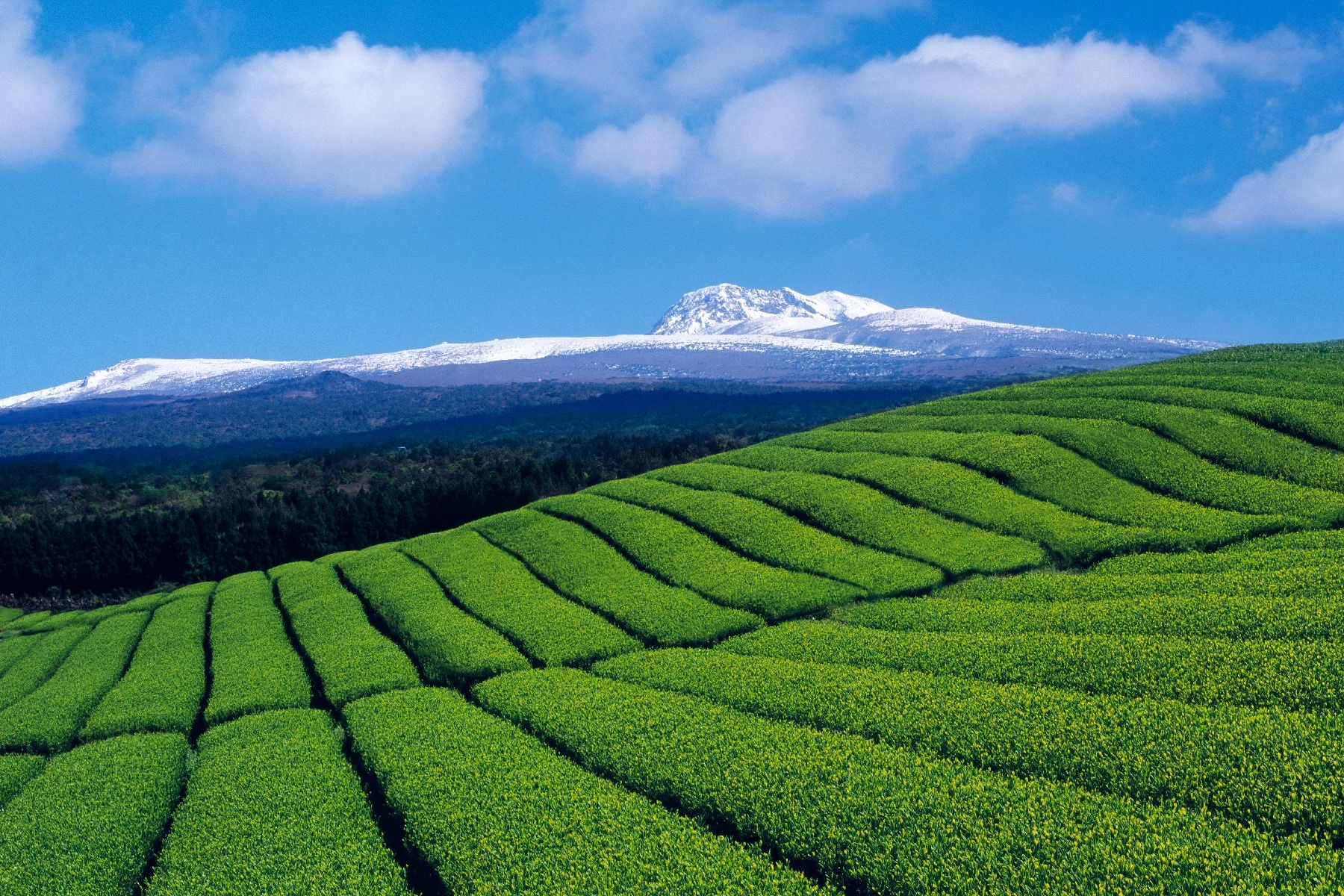
1. Premium Terroir: Jeju & Boseong Create Distinctive Matcha Quality
Korea’s two major tea regions provide the perfect environment for high-grade matcha.
Jeju Island
- Volcanic soil rich in minerals
- Clean winds and mild climate
- High sunlight and stable growing conditions
- Modern tea farms with advanced processing systems
Boseong
- Mist-covered hills and coastal breezes
- Deep-rooted tea culture and traditional farming
- Well-drained, nutrient-rich soil
- Balanced flavor development from natural shading
These natural advantages help Korean matcha develop:
- vibrant green color
- clean umami
- smooth texture
- bright, slightly floral finish
2. Clean, Modern, and Highly Controlled Production Standards
One of the biggest strengths of Korean matcha is consistency.
Korean manufacturers—especially those supplying major conglomerates like SPC, CJ, and global beverage brands—operate with:
- advanced steaming & grinding systems
- strict hygiene and food safety controls
- R&D-driven processing
- traceability from field to finished powder
This results in matcha that is:
- stable in color
- reliable in foam and solubility
- clean in flavor
- suitable for large-scale cafés and food manufacturers
As global buyers prioritize transparency and safety, Korean matcha fits perfectly into modern supply chain expectations.
3. A More Balanced Flavor Profile for Modern Drinks
Korean matcha stands out for its balanced taste—less bitter than some Japanese matcha and more floral and clean than many Chinese matcha options.
Typical Korean Matcha Flavor Notes
- clean umami
- mild grassy character
- delicate sweetness
- soft nuttiness
- bright, refreshing finish
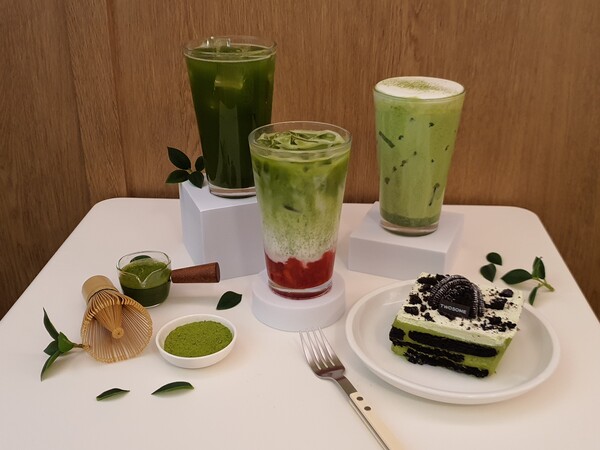
This makes it ideal for:
- matcha lattes
- bakery fillings
- dessert applications
- blended beverages
- smoothies & ready-to-drink formats
Global cafés increasingly look for matcha that blends smoothly without overpowering sweetness or milk—Korean matcha delivers on that front.
4. Rising Interest in Korean Ingredients & K-culture
The Korean Wave (K-culture) is no longer limited to music or dramas. It now includes food and beverage trends.
Korean ingredients such as:
- gochujang
- kimchi
- Korean honey
- Korean green tea and matcha
…are increasingly recognized internationally.
As global consumers grow more curious about Korean flavors and wellness ingredients, matcha from Korea naturally benefits from this momentum. Brands value the storytelling potential of a new origin—something fresh, modern, and culturally rich.
5. Strong Appeal for Brands Seeking Differentiation
Japanese matcha is well established and Chinese matcha dominates the low-end category. Korean matcha enters the market as a premium yet approachable alternative.
Why brands choose Korean matcha
- strong origin story
- clear quality grading
- excellent consistency for product formulas
- competitive pricing compared to Japanese ceremonial grades
- premium positioning compared to commodity-grade Chinese matcha
It fills a mid-to-high segment that many brands and cafés find attractive.
Conclusion
Korean matcha is rising because it combines the best of craft, terroir, innovation, and modern production values. With its clean flavor, premium environment, and strong cultural momentum, Korean matcha is increasingly becoming a go-to choice not just in Korea but across the global beverage and culinary world.
From cafés in Auckland and Sydney to bakeries in Seoul and beyond, the world is discovering a new origin of matcha—and Korea is ready to take its place on the global stage.
.jpeg)